


Understanding Stress: How It Impacts Mental Health and What You Can Do
- Social B
- Apr 3
- 4 min read

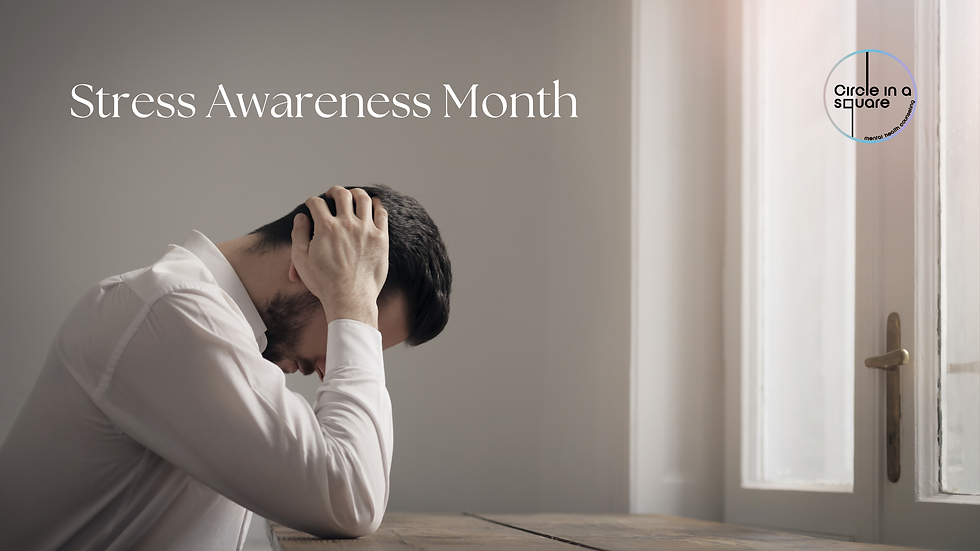
Stress is a natural part of life. Whether it’s work deadlines, financial pressures, relationships, or major life transitions, everyone experiences stress at some point. While short-term stress can sometimes improve focus and performance, chronic or overwhelming stress can take a significant toll on your mental health.
Understanding how stress works and how to manage it is essential for maintaining emotional well-being and overall health. At Circle in a Square Counseling, we support individuals and families across Washington state in developing practical, sustainable ways to manage stress and build resilience.
What Is Stress?
Stress is your body’s response to a challenge or demand. When you encounter a stressful situation, your body releases hormones like cortisol and adrenaline, triggering the “fight-or-flight” response. According to the American Psychological Association, this response is designed to help you react quickly in high-pressure situations, but it becomes problematic when activated too frequently.
There are two main types of stress:
Acute stress: Short-term stress that resolves quickly (e.g., preparing for a presentation)
Chronic stress: Long-term stress that persists over time (e.g., ongoing financial strain or relationship challenges)
You can learn more about how stress affects the body through resources from the Mayo Clinic.
How Stress Impacts Mental Health
1. Anxiety and Overthinking
Chronic stress can lead to persistent worry, racing thoughts, and difficulty relaxing. Over time, this may contribute to conditions like Generalized Anxiety Disorder.
2. Depression
When stress becomes overwhelming, it can lead to emotional exhaustion, low motivation, and feelings of hopelessness—common symptoms of Depression. The National Institute of Mental Health provides additional insight into how stress and depression are connected.
3. Irritability and Mood Swings
Stress can make it harder to regulate emotions, leading to increased irritability and strained relationships.
4. Difficulty Concentrating
High stress levels can impair memory, focus, and decision-making, making it more difficult to stay productive or engaged in daily responsibilities.
5. Sleep Problems
Stress often disrupts sleep patterns, contributing to insomnia or poor-quality rest. Over time, this can create a cycle that worsens both physical and mental health.
Physical Effects of Stress
Stress doesn’t just affect your mind—it impacts your body as well. Common physical symptoms include:
Headaches
Muscle tension
Fatigue
Digestive issues
Weakened immune system
Research from the Cleveland Clinic shows that chronic stress can contribute to long-term health concerns if left unaddressed.
Signs You May Be Experiencing Too Much Stress
Recognizing stress early can help prevent more serious mental health challenges. Watch for:
Constant fatigue or burnout
Feeling overwhelmed or out of control
Changes in appetite
Withdrawing from social activities
Increased reliance on unhealthy coping habits
If these signs persist, it may be helpful to explore additional support.
What You Can Do to Manage Stress
1. Prioritize Self-Care
Make time for activities that help you recharge, such as reading, spending time outdoors, or engaging in hobbies you enjoy.
2. Stay Physically Active
Exercise is one of the most effective ways to reduce stress. Even light movement, like walking, can improve mood and reduce anxiety. The Mayo Clinic highlights the strong connection between physical activity and emotional well-being.
3. Practice Mindfulness and Relaxation
Techniques like meditation, deep breathing, and journaling can help calm your mind. Tools like Headspace and Calm offer guided support for building mindfulness into your routine.
4. Maintain a Healthy Routine
Consistent sleep, balanced nutrition, and structured daily habits can improve your ability to cope with stress.
5. Set Boundaries
Learning to say no and avoiding overcommitment can protect your time and energy, reducing unnecessary stress.
6. Connect with Others
Social support plays a critical role in mental health. Research shared by Psychology Today shows that connection can improve resilience and reduce feelings of isolation.
7. Seek Professional Help
If stress becomes overwhelming, working with a mental health professional can provide personalized tools and strategies to help you regain balance.
Long-Term Strategies for Stress Management
Managing stress effectively involves building sustainable habits over time:
Develop time management skills
Set realistic and achievable goals
Practice gratitude and positive reflection
Limit exposure to negative influences, including excessive social media use
These long-term strategies can strengthen resilience and improve overall well-being.
When to Consider Professional Support
While stress is a normal part of life, ongoing or intense stress may benefit from additional support. Consider reaching out if you experience:
Persistent anxiety or low mood
Difficulty managing daily responsibilities
Emotional exhaustion or burnout
Feeling stuck or unable to cope
Early support can lead to more effective and lasting outcomes.
Support from Circle in a Square Counseling
At Circle in a Square Counseling, we provide compassionate, evidence-based care for individuals, teens, and families across Washington state. Our services are designed to help you:
Manage stress and anxiety
Build healthy coping strategies
Improve emotional regulation
Navigate life transitions with confidence
We offer telehealth counseling, making it easier to access support wherever you are, with flexibility for busy schedules.
Stress is unavoidable—but it doesn’t have to take over your life. By understanding how stress affects your mental health and taking proactive, intentional steps to manage it, you can create a more balanced and fulfilling life.
Start small, stay consistent, and remember: caring for your mental health is just as important as caring for your physical health.
If you’re feeling overwhelmed or need additional support, you don’t have to navigate it alone.


Comments